Hatasının Şekli
Sanatçılar: Hiba Ali, freakygreenfish, Ryan Josey, SaraNoa Mark, Aleksiy Taruts
Küratör: Melih Aydemir
9 Ocak — 11 Şubat 2023
Açılış: 9 Ocak Pazartesi, 16:00 - 20:00
Sergi fotoğrafları: Zeynep Fırat
Basın bülteni
5533, 9 Ocak - 11 Şubat 2023 tarihleri arasında bir gayri maddi çalışma türü olarak sanat emeğine ve sanat üretiminin emeği ele alış biçimlerine odaklanan ‘‘Hatasının Şekli’’ sergisine ev sahipliği yapıyor. Hiba Ali, freakygreenfish, Ryan Josey, SaraNoa Mark ve Aleksiy Taruts’un çalışmalarını bir araya getiren sergi Melih Aydemir küratörlüğünde gerçekleşiyor.
Adını Audre Lorde’un ‘‘İyi Aynalar Ucuz Değildir’’ şiirinden alan sergi, sanat alanında çalışan kişilerin görünmez emeği ile sanatçıların fiziksel olarak görünen ancak karşılıksız kalan emeği arasında bir bağlantı kuruyor. Gayri maddi emek alanındaki çalışma koşullarının çalışanlar üzerindeki etkisi, şiirde geçen aynadaki bozukluk kişinin kendi hatasının şekli olduğunu düşündüğü şeye dönüşür dizeleri ile tasvir ediliyor.
Sergi metni
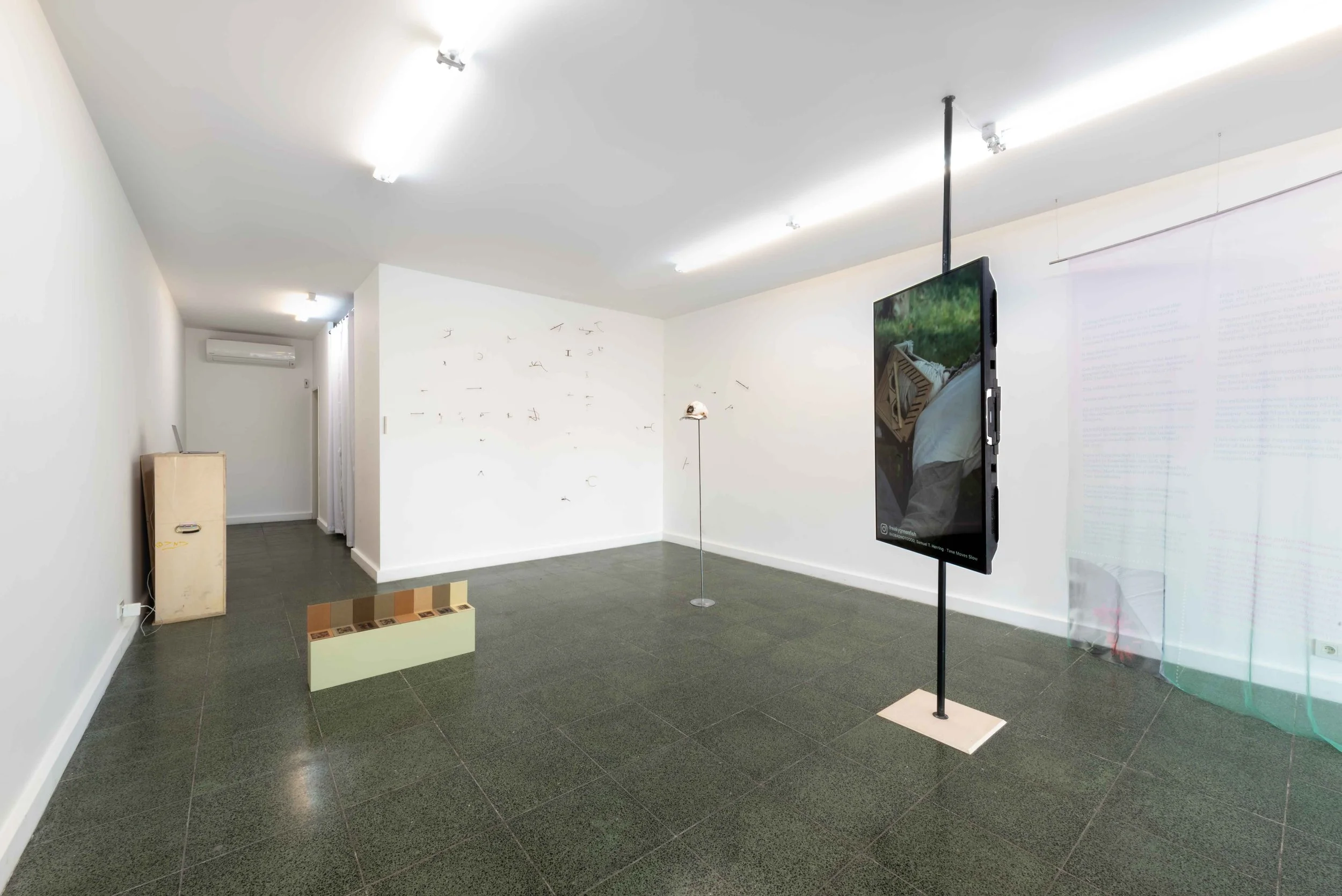
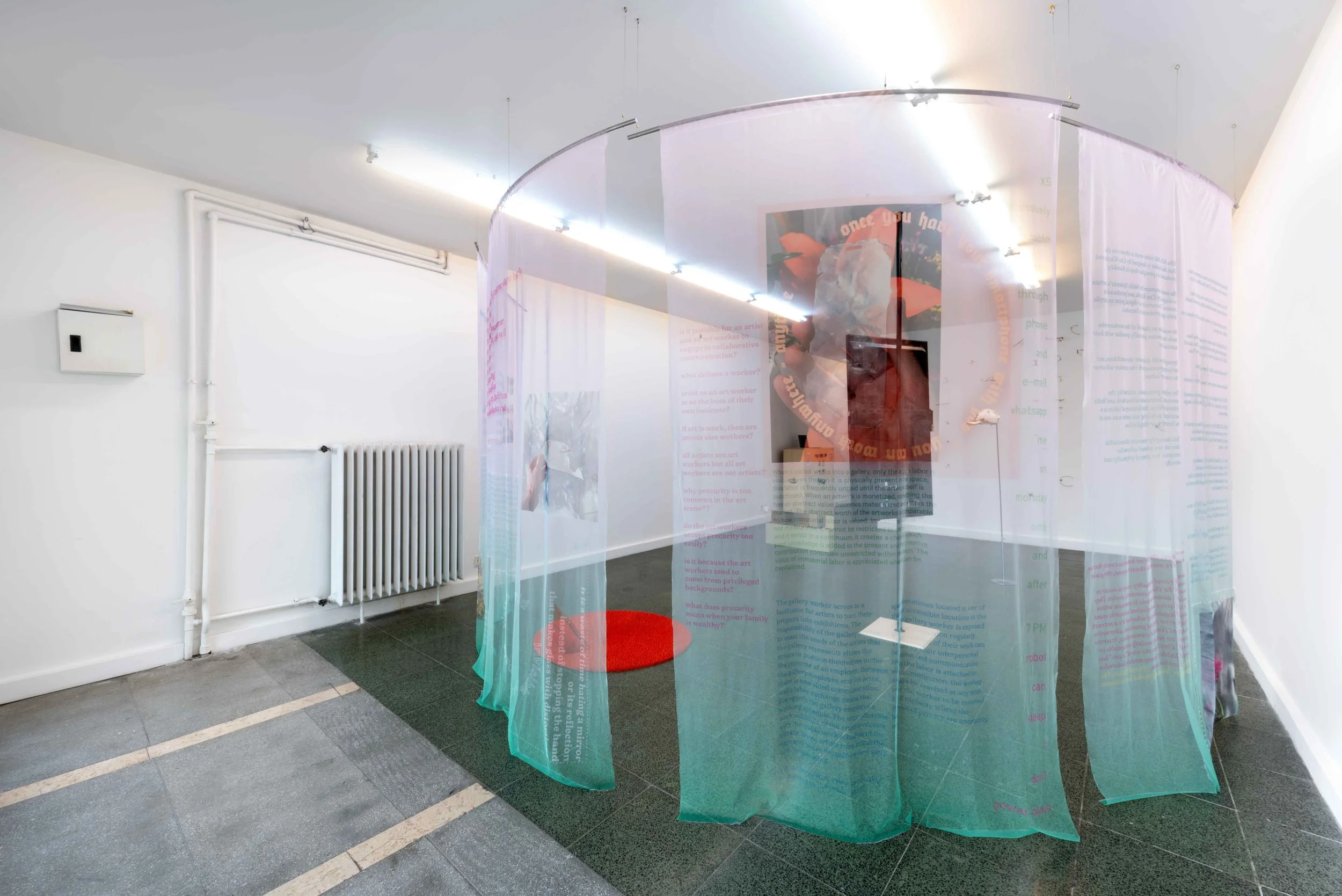
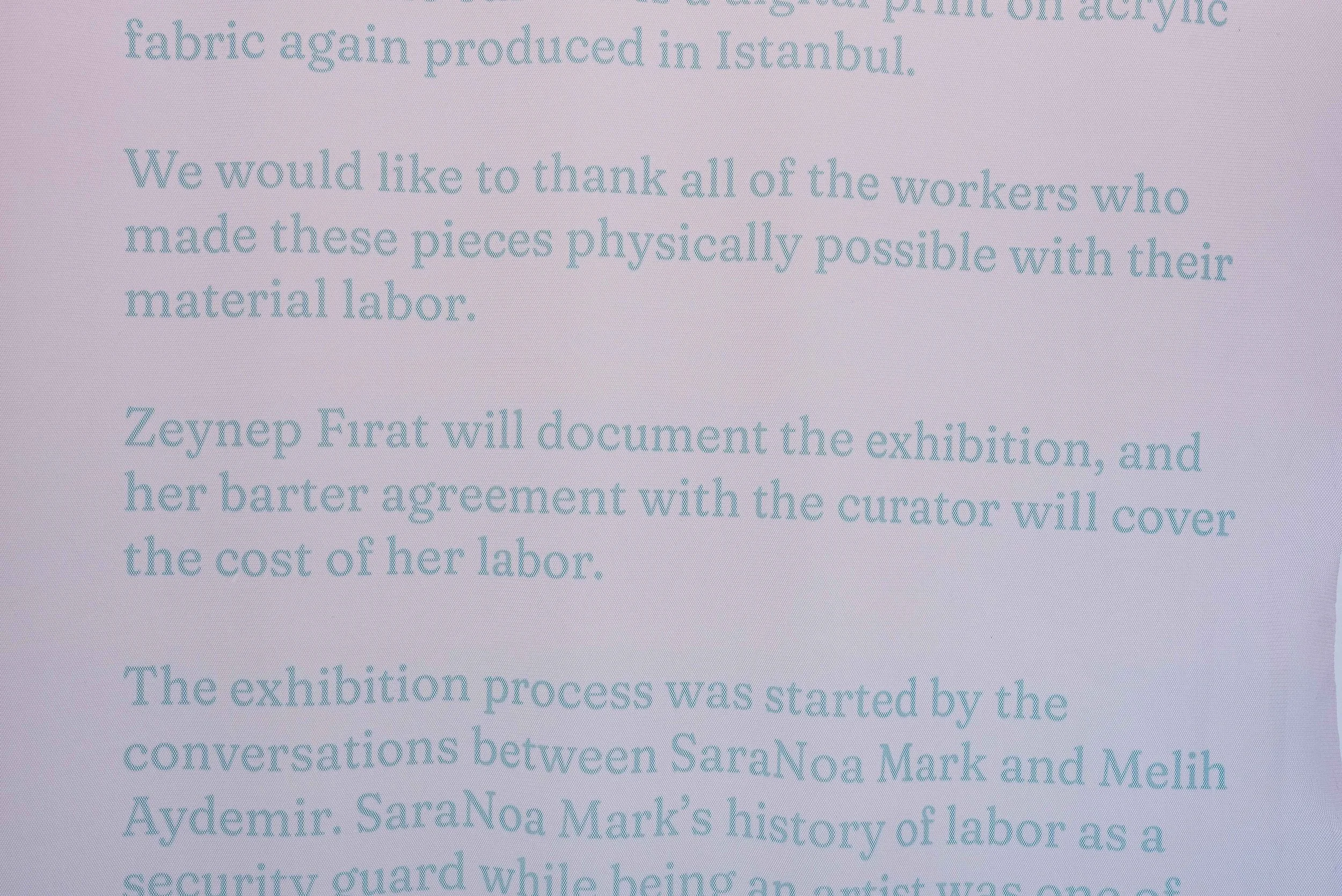
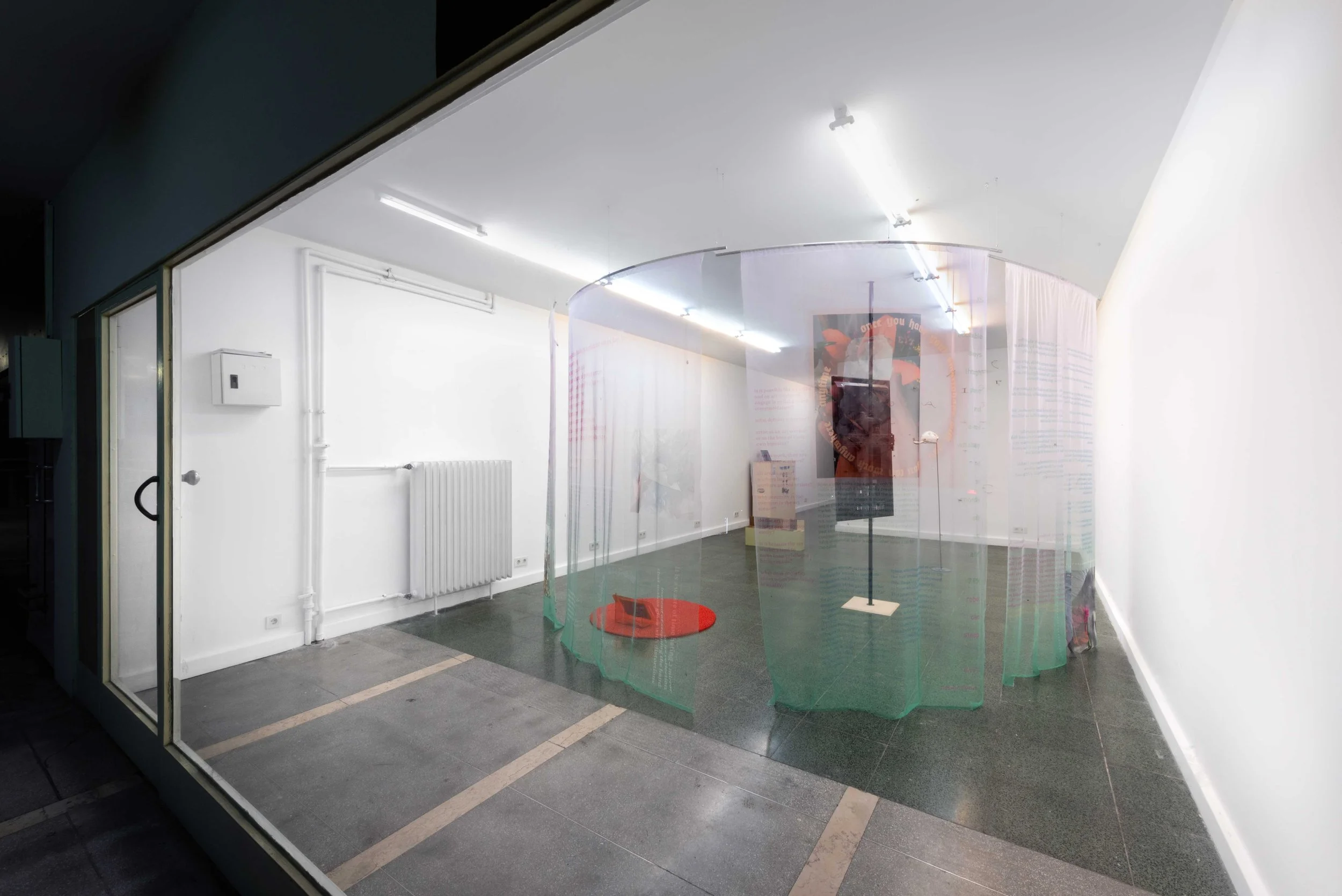
Mekânı çevreleyen yarı şeffaf bir perde üzerine basılan küratöryel metin, gayri maddi emeğin zihinsel hareketliliğine ve görünmezliğine atıfta bulunuyor. Melih Aydemir tarafından oluşturulan bu yerleştirme mesai ve boş zaman arasında sınırların bulanıklaştığı, iş sırasında ve dışında aşırı iletişim zorunluluğunun etkisiyle çalışanın kendisini sürekli bir esneklik ve akışkanlık içinde bulduğu çalışma alanını kişisel notlar ile belgeliyor. Perdenin açtığı alanda sanat çalışanının kültür endüstrisindeki varlığını sağlayan etkenlerden biri olan sanatçıların, emek türleri ve emeğin kendisiyle olan ilişkileri üzerine düşünen çalışmaları yer alıyor.
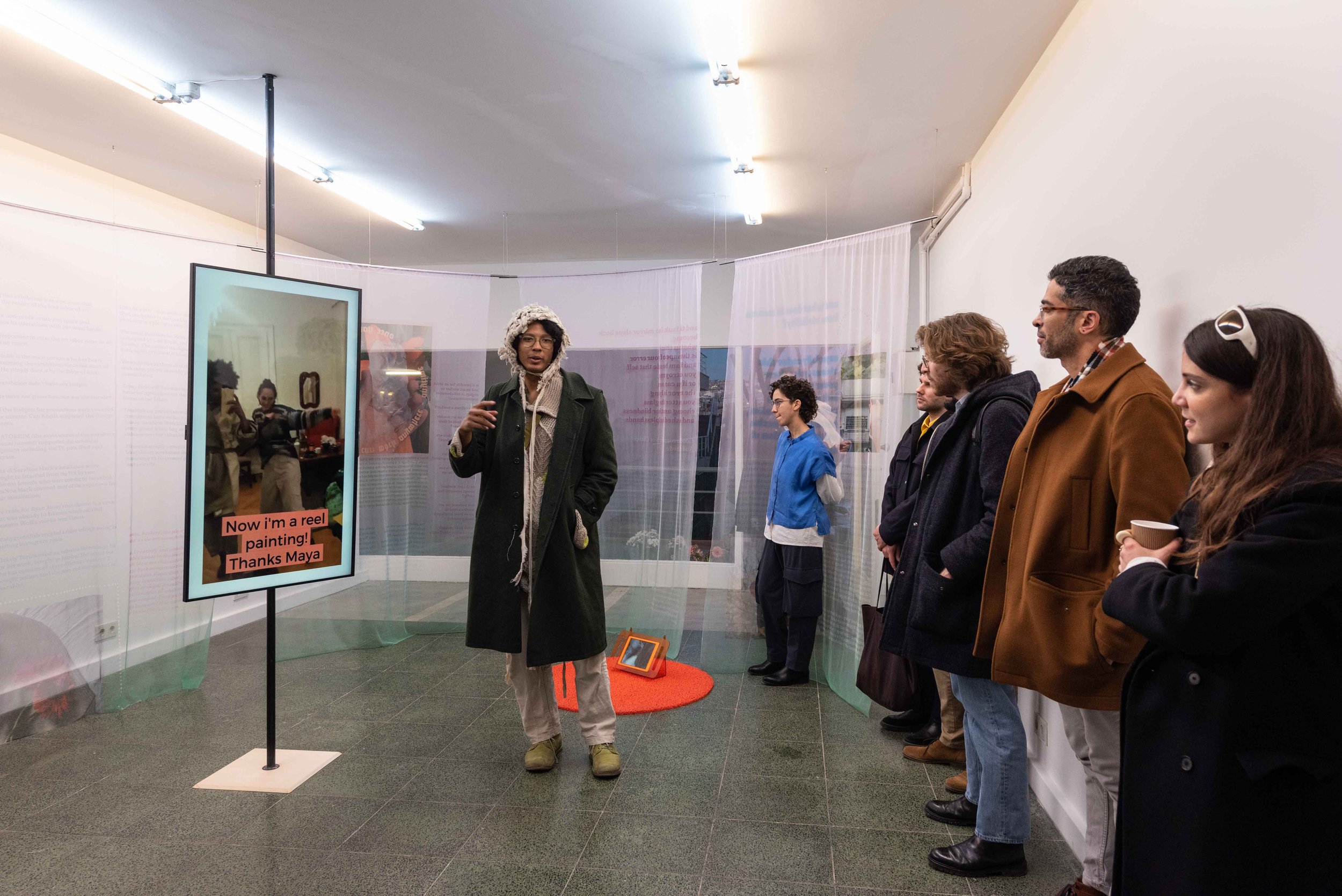
freakygreenfish, görsel sanatların geleneksel olarak ana malzemelerinden kabul edilen ahşap şase ve kanvas kumaş kullanarak yaptığı performanslarla kendi bedeninin bir resme dönüştüğü bir kurgu oluşturuyor. TikTok ve Instagram videolarında sanatçı olma durumunu espirili performatif bir anlatı ile tartışan freakygreenfish, kendini resme dönüştürürken sanat için hayatından vazgeçtiğini söylüyor.
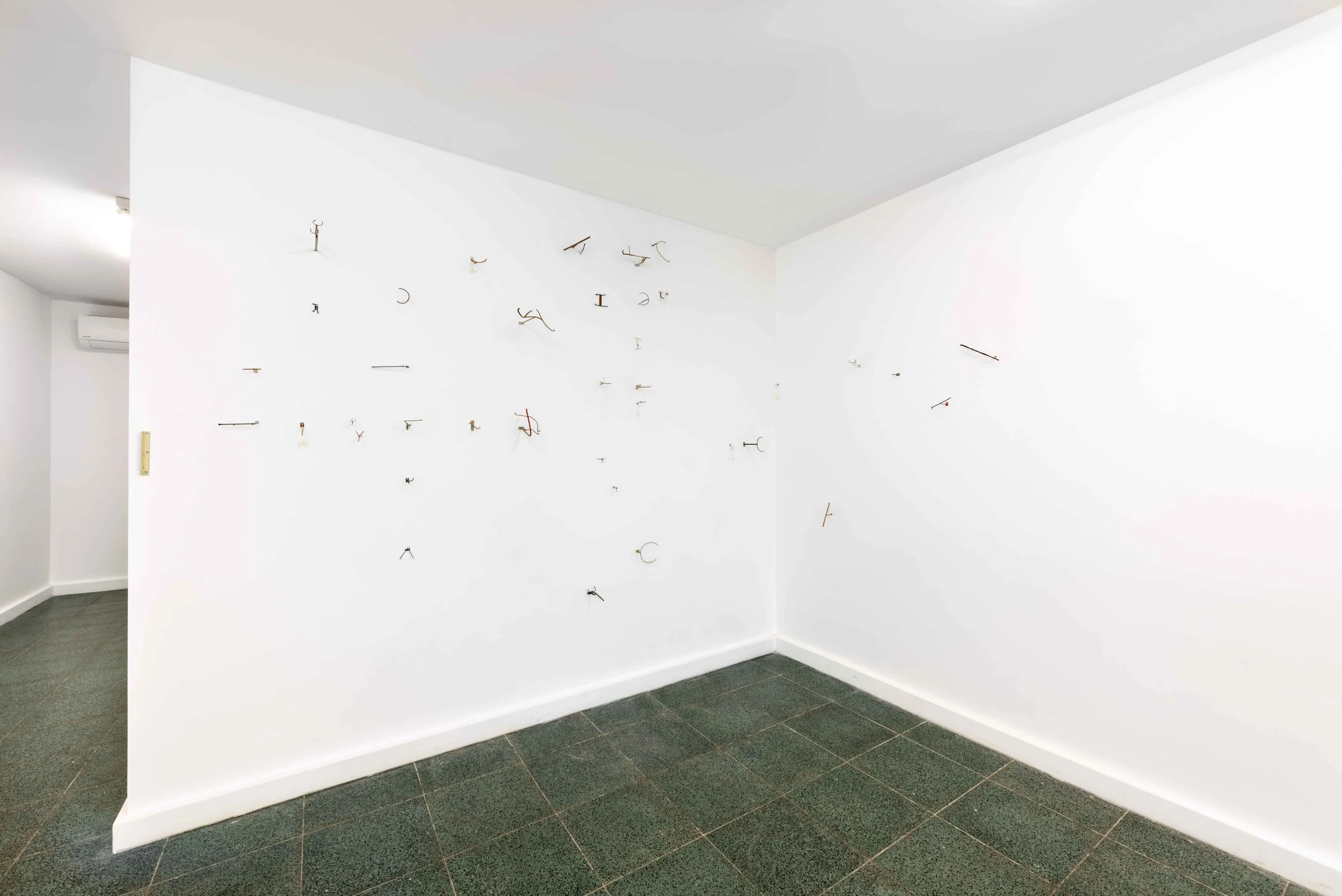
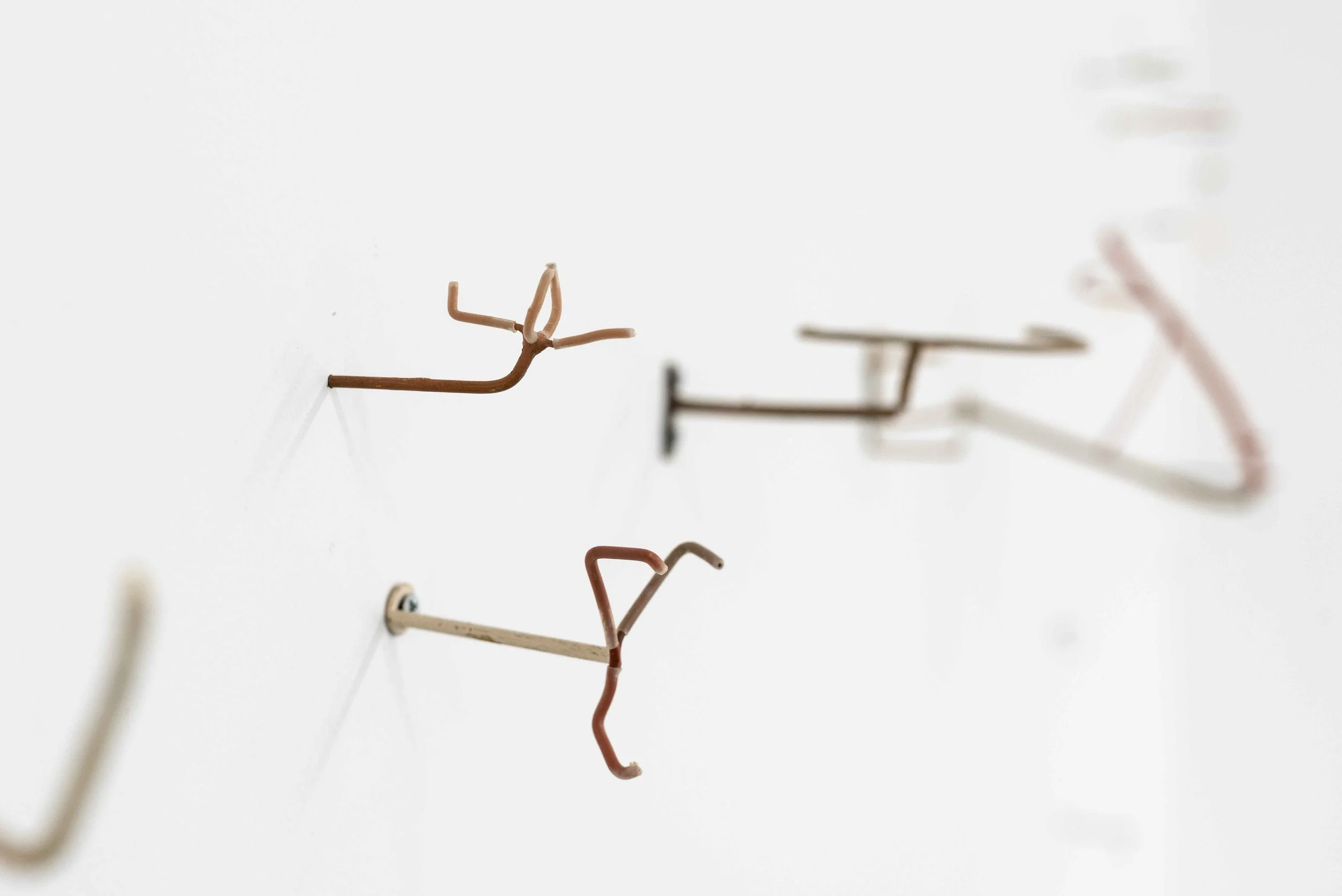
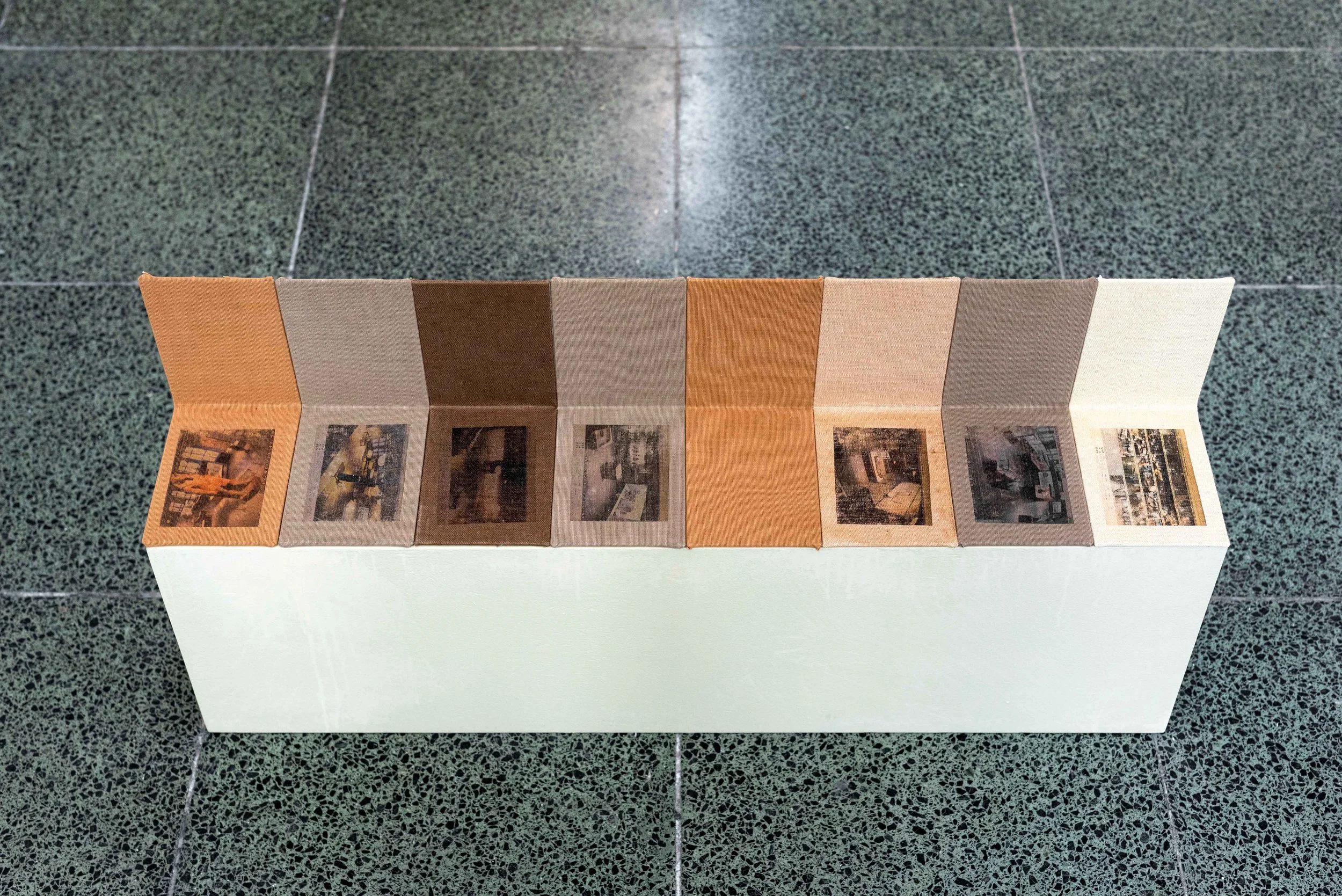
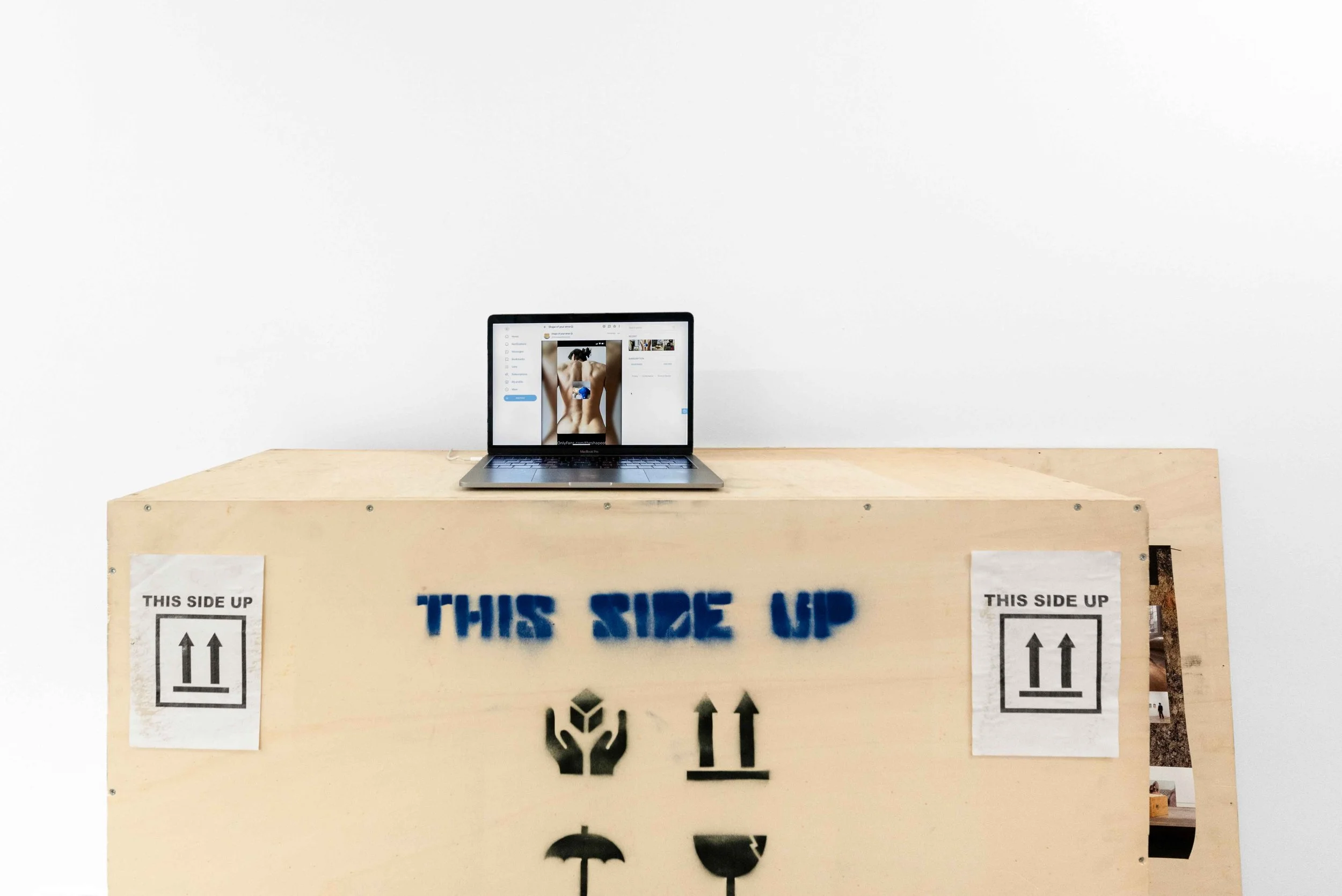
Yaratıcı üretimini sürdürebilmek için farklı emek türlerinde yer değiştiren SaraNoa Mark ve Ryan Josey ekonomik sermayeye erişmek için yapılan işlerin çeşitliliği ve bu süreçlerin sanatsal pratiğe yansıması üzerine düşünüyorlar. SaraNoa Mark, sergi için ürettiği işinde 2016-2019 yılları arasında Oriental Institute'ta asgari ücretle güvenlik görevlisi olarak çalıştığı günleri yeniden ele alıyor. Sanatçı, ekonomik sermayeye erişim sağlamak amacıyla bulunduğu yerden kilometrelerce uzaktaki eserleri toplayan bir enstitüde güvenlik görevlisi olarak çalışıyor. Mark, bu süre boyunca, sanatsal pratiğine katkıda bulunacak eserlerle yakınlık kurarak, yetersiz kazancını telafi etmek için müzeden bazı artık kumaşlar ve askılar toplar. Ryan Josey, sergileyemediği işleri saklayan ahşap kasanın, çevrim içi seks işçiliği yaparken kullandığı dizüstü bilgisayarını taşıyan bir standa dönüştüğü ev yerleştirmesini tekrar oluşturuyor. Sanat eserlerini saklarken ve taşırken korumak için tasarlanan bu kutu sanatsal emeği gizlerken, başka bir emek biçimi için bir kaide haline geliyor. Josey’in yaptığı kolajlar bu proje için oluşturulan OnlyFans sayfasında paylaşılacak.
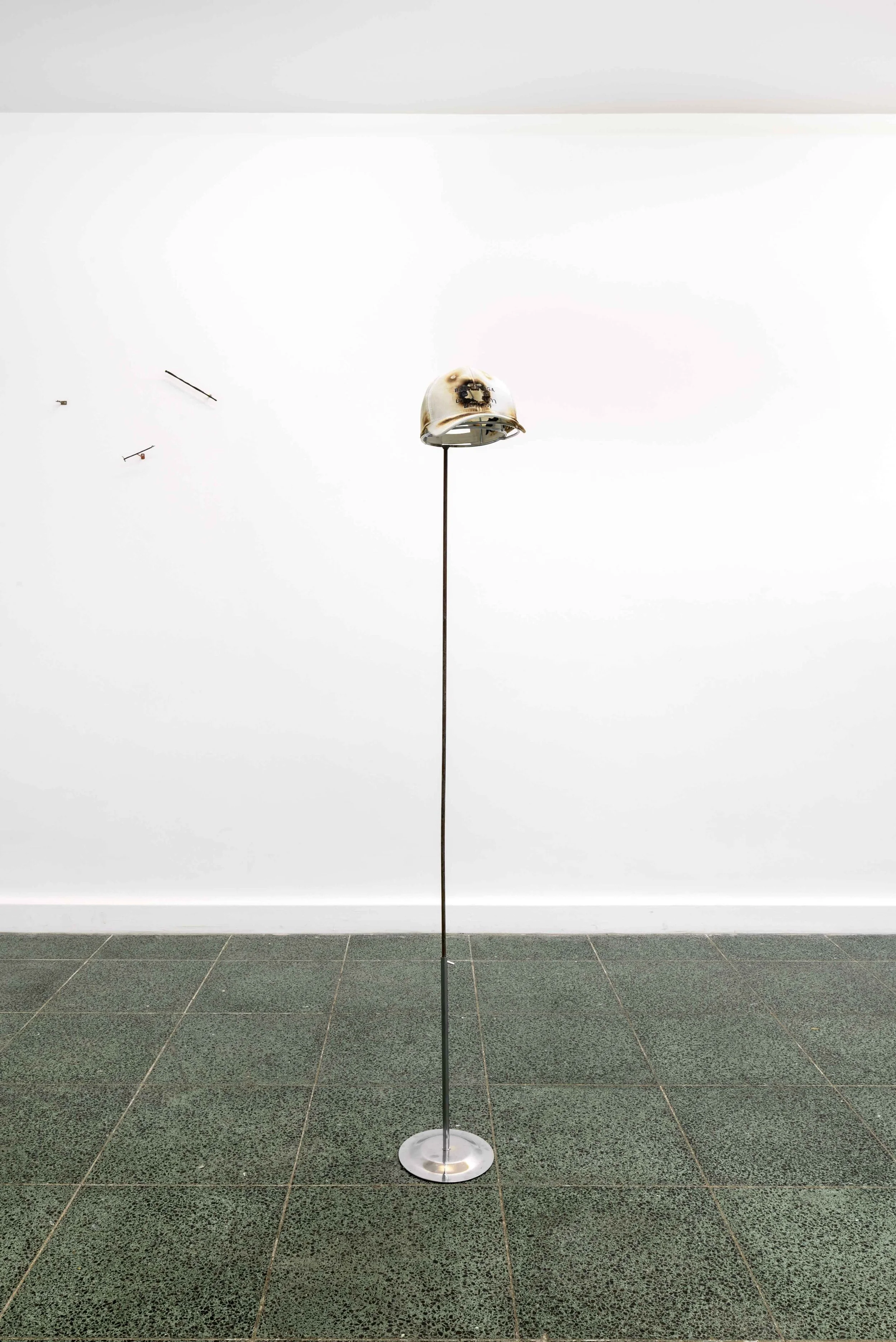
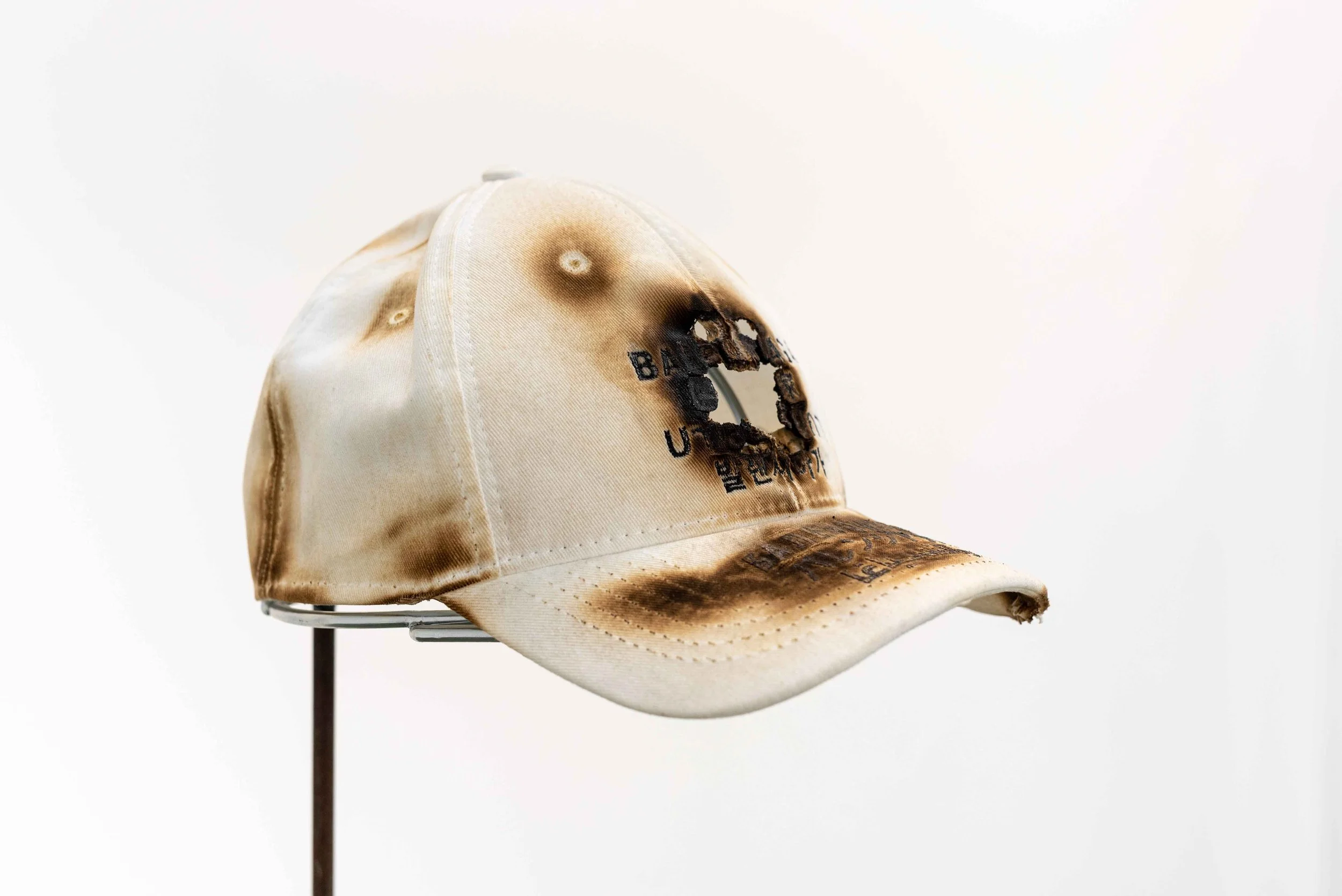
Aleksiy Taruts, maddi ve gayri maddi/yaratıcı üretimin kesişiminde tekrar eden üretim döngüsünün sanat eserine dönüştüğü noktaya odaklanıyor. Sokak kültürünün yaratıcı üretimini sosyo-ekonomik olarak ayrıcalıklı gruplar için tekrar sunan bir marka olan Balenciaga’nın ürettiği şapka, kaynağı belirsiz bir emek sonucu üretilen imitasyonu ile sokağa geri dönüyor ve sonunda Taruts’un müdahalesiyle sanat nesnesine dönüşüyor.
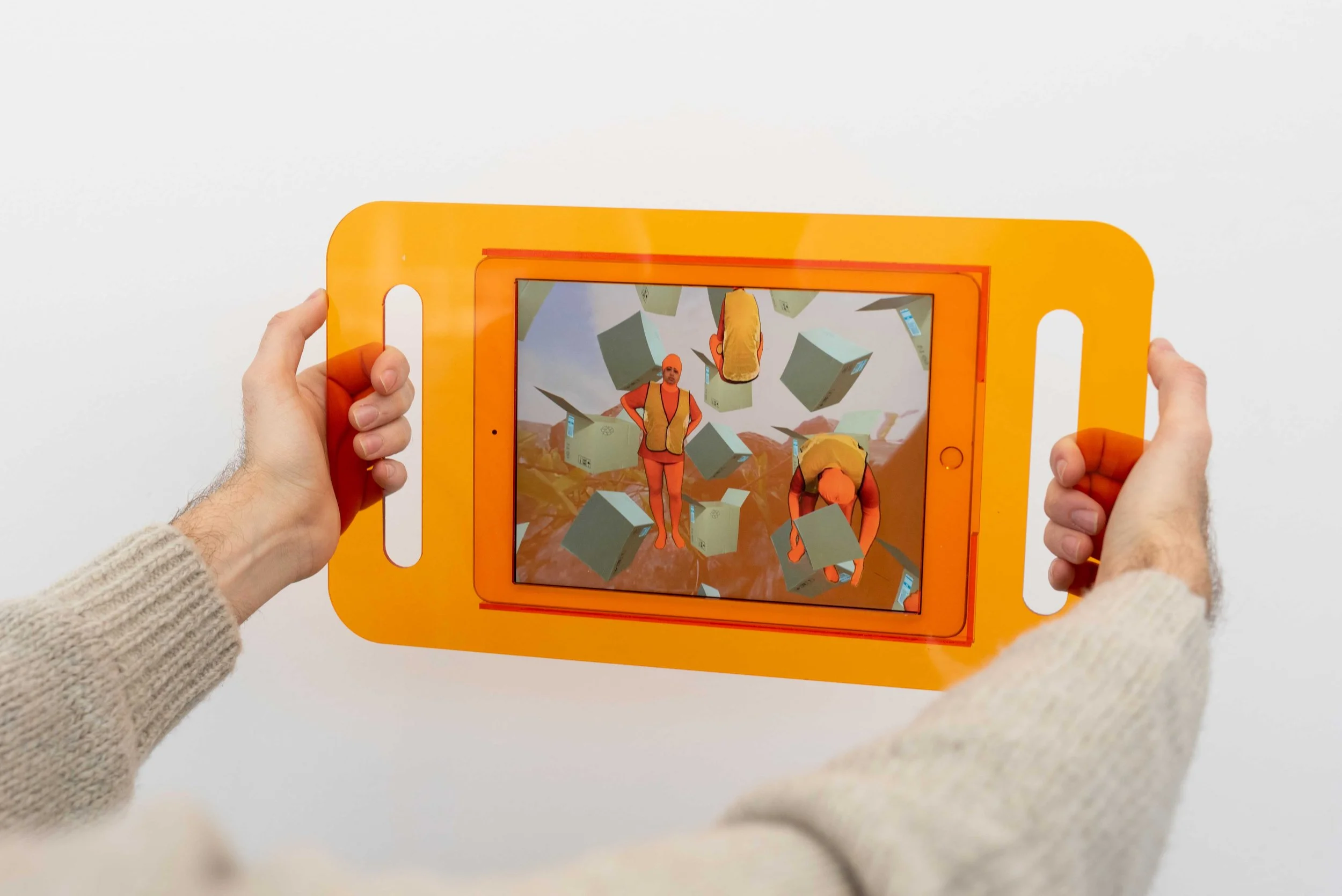
Hiba Ali, Amazon şirketindeki gözetleme pratikleri ve burada çalışan beyaz olmayan kadınların emeği üzerine yaptığı araştırmasına, Amazon'un depolama tesislerindeki yağmacı emek uygulamalarına odaklandığı 360 derece sanal ortamda devam ediyor. Kendini bir Amazon çalışanının yerine koyduğu performansta çalışanların güvencesizlikleri üzerine tekrar ettiği sloganlarla, gayri maddi ve maddi emek biçimlerinin melezleştiği bu alanda sanatın yaratıcı olanaklarını kullanarak Amazon'suz bir dünya ve tüm işçilerin özgürleştiği bir gerçeklik hayal ediyor.
Metin: Melih Aydemir
***********
Shape of Your Error
Artists: Hiba Ali, freakygreenfish, Ryan Josey, SaraNoa Mark, Aleksiy Taruts
Curator: Melih Aydemir
9 January — 11 February 2023
Opening: Monday, January 9, 16:00 - 20:00
Exhibition photos: Zeynep Fırat
Press release
5533 presents ‘‘Shape of Your Error’’, a group show focusing on art labor as a form of immaterial work and the ways art production deals with the topic of labor. The exhibition features works from Hiba Ali, freakygreenfish, Ryan Josey, SaraNoa Mark and Aleksiy Taruts, curated by Melih Aydemir.
Taking its title from Audre Lorde’s poem, ‘‘Good Mirrors Are Not Cheap’’, the exhibition establishes a connection between the invisible labor of workers in the field of art, and the physically visible but unpaid labor of artists. The impact of immaterial labor’s working conditions on the workers is depicted by the following lines in the poem: and the fault in a mirror slaps back becoming what you think is the shape of your error.
Exhibition text
The curatorial statement of the exhibition printed on a semi-transparent curtain that surrounds the space, referring to the mental mobility of immaterial labor and its invisibility. This installation created by Melih Aydemir showcases the blurring boundaries between work and leisure, and how the immaterial workers find themselves in a constant state of flexibility and fluidity due to the extreme necessity of communication during and outside working hours. Behind the curtain, the works of the artists -who are one of the factors that ensure the existence of the art worker in the cultural industry- reflecting on different types of labor and artists’ relationship with labor itself are presented.
freakygreenfish (he/him), creates a scenery where his own body turns into a painting through his performances using wooden frames and canvas fabric which are traditionally considered as the main materials of visual arts. freakygreenfish discusses the state of being an artist with a humorous performative approach in his TikTok and Instagram videos, and says that he gives up his life for art by transforming himself into a painting.
SaraNoa Mark (they/them) and Ryan Josey (he/him), who have been displaced between different forms of labor in order to sustain their creative production, examine the diversity of work they have done to access economic capital and how it’s being reflected in their artistic practices. In their work for the exhibition, SaraNoa Mark revisits the days they used to work as a minimum wage security guard at the Oriental Institute between 2016 and 2019. The artist became a security guard at an institute that collects artifacts from miles away from its origin location in order to get access to economic capital. During their employment there, Mark established a closeness to those artifacts that will contribute to their artistic practice, and also gathered some leftover fabrics and hangers from the museum to compensate for their underpayment. Ryan Josey reconstructs an installation from his bedroom where a wooden crate he uses to store his unexhibited works doubles as a stand, holding the laptop he uses to perform online sex work. A box designed to protect the artworks while storing and transporting, hides the artistic labor and becomes a pedestal for another form of labor. His collages will be published on the OnlyFans page created for this project.
Aleksiy Taruts (he/him) focuses on the intersection of material and immaterial/creative production, and the point where the repetitive cycle of production becomes an artwork. A hat designed by Balenciaga, a brand that appropriates creative production of street culture and reintroduces it to socio-economically privileged groups, returns to the street with its imitation produced by unknown labor and finally becomes an art object through Taruts' intervention.
Hiba Ali (they/them) continues their research on surveillance practices at Amazon and the labor of women of color working there in a 360-degree virtual environment where they focus on predatory labor practices in Amazon's storage facilities. The artist virtually performs as an amazon worker and repeats slogans about the precarity of the workers. They use the creative possibilities of art in this hybrid space to imagine a world without Amazon, and a reality where all workers are liberated.
Text by Melih Aydemir